
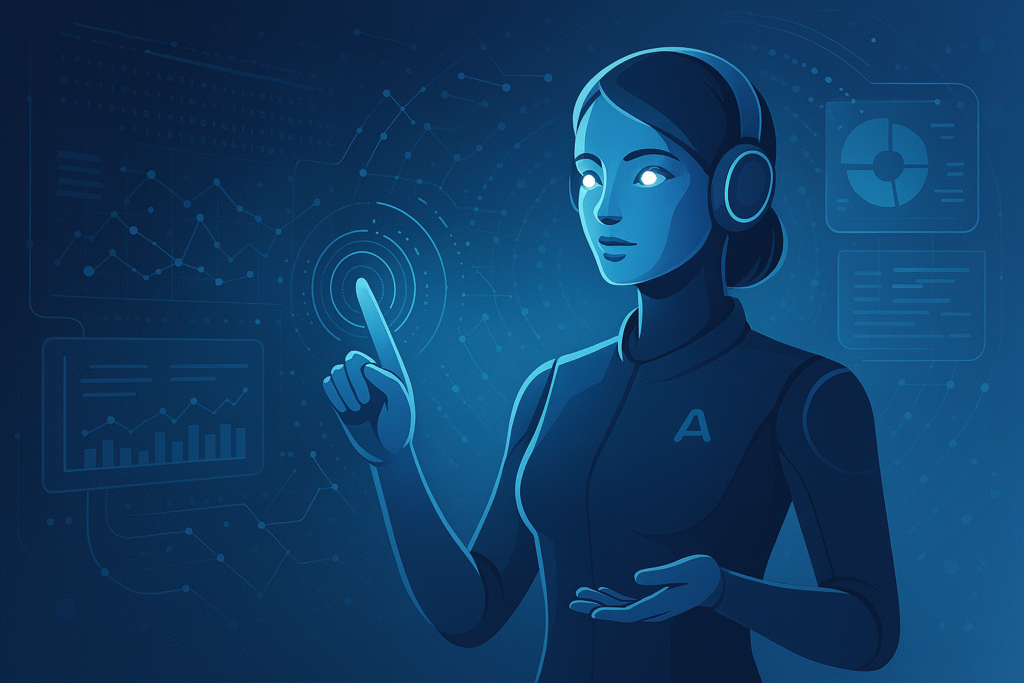
Artificial Intelligence (AI) has evolved from a buzzword into a powerful force reshaping industries. Among its most transformative innovations are AI agents—autonomous systems designed to perform tasks, make decisions, and interact with humans or other systems intelligently. But what exactly are AI agents, and how can they benefit businesses?
🤖 What Are AI Agents?
An AI agent is a software entity that perceives its environment, processes information, and takes actions to achieve specific goals. Unlike traditional software, AI agents can:
- ✅ Learn from data and experience
- 🔄 Adapt to changing conditions
- 🧭 Make decisions autonomously
- 💬 Interact naturally with users or other systems
They can be simple (like a chatbot answering FAQs) or complex (like a multi-agent system coordinating logistics across a supply chain).
💼 Why Businesses Should Care
AI agents offer several strategic advantages:
1. ⚙️ Efficiency and Automation
AI agents can automate repetitive tasks—data entry, scheduling, customer support—freeing up human workers for higher-value activities.
2. 🌍 Scalability
Once trained, AI agents can operate 24/7 and scale across departments or geographies without additional overhead.
3. 💰 Cost Reduction
By reducing manual labor and improving operational efficiency, businesses can cut costs significantly.
4. 📊 Enhanced Decision-Making
AI agents can analyze vast amounts of data in real time, offering insights and recommendations that improve decision-making.
5. 🎯 Personalization
From marketing to customer service, AI agents can tailor interactions based on user behavior and preferences, boosting engagement and satisfaction.
🌐Use Cases Across Industries
Here are some real-world applications of AI agents:
Customer Service
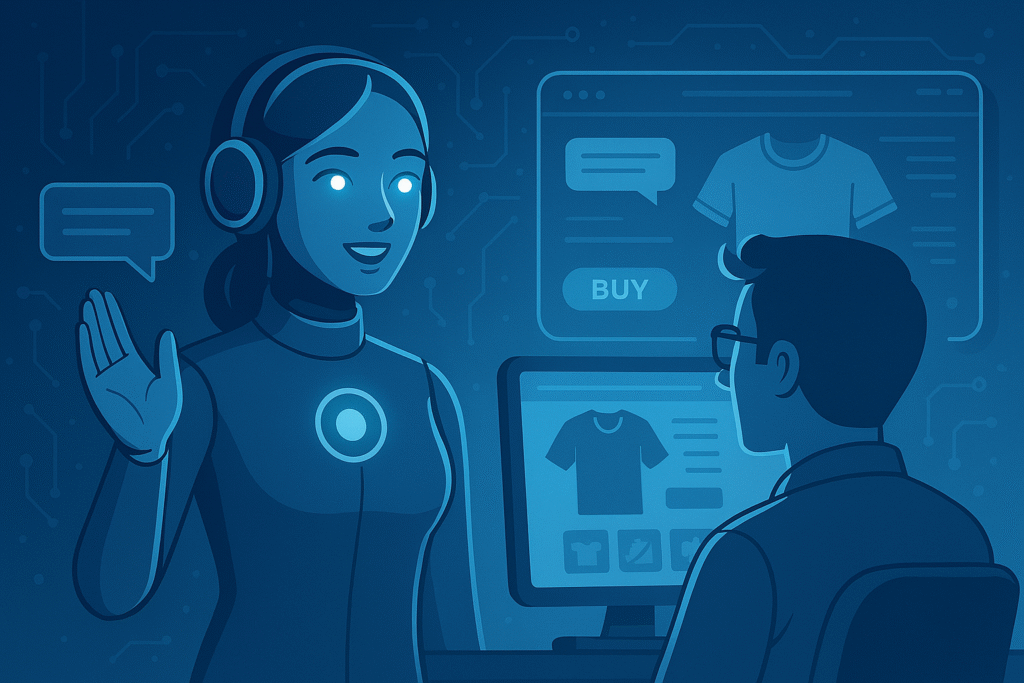
Chatbots and virtual assistants handle inquiries, complaints, and transactions.
Example: AI agents on e-commerce sites guiding users through product selection and checkout.
Finance and Accounting
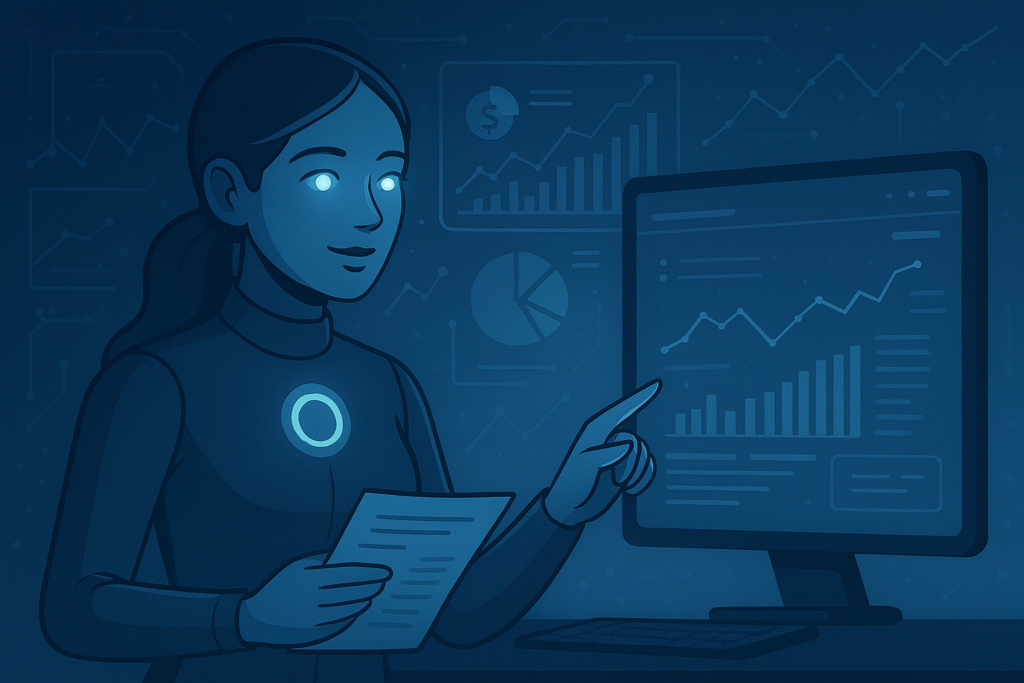
Agents can automate bookkeeping, detect fraud, and generate financial reports.
Example: An AI agent that reconciles transactions and flags anomalies in real time.
Healthcare
AI agents assist in patient triage, appointment scheduling, and medical diagnostics.
Example: A virtual nurse agent that monitors patient symptoms and alerts doctors when needed.

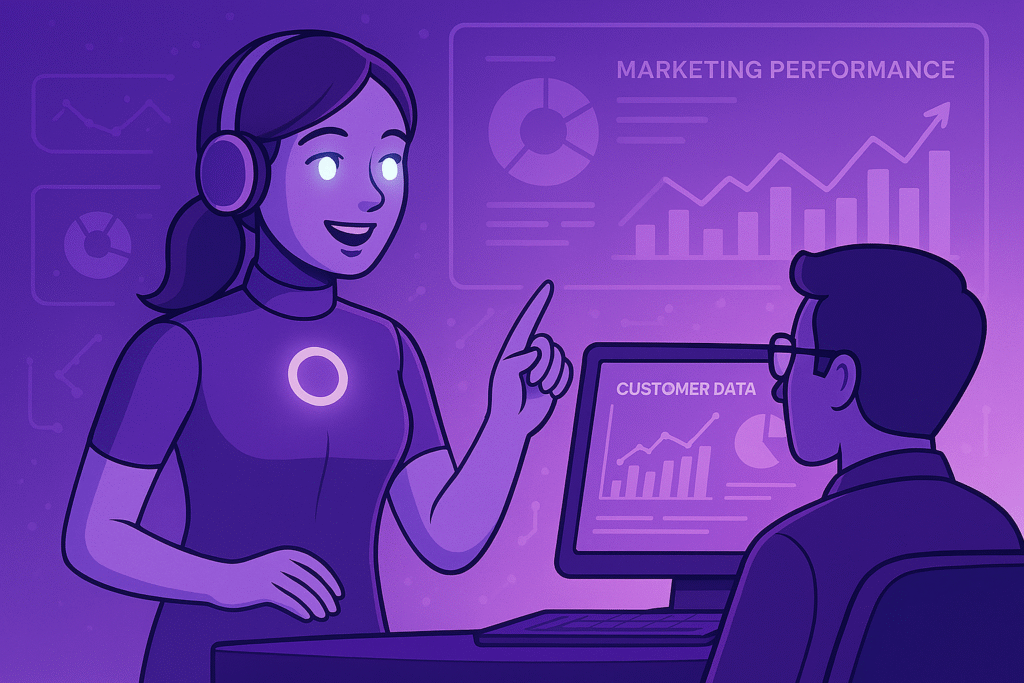
Marketing and Sales
Agents analyze customer data to optimize campaigns, predict churn, and recommend products.
Example: A sales agent that suggests upsells based on customer purchase history.
Supply Chain and Logistics
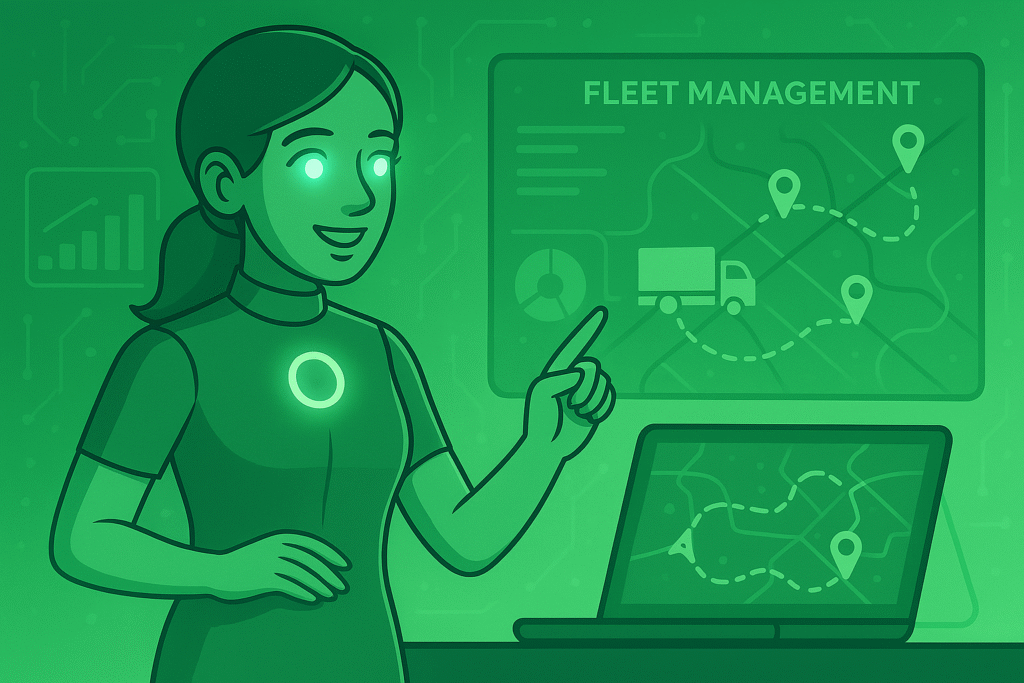
AI agents manage inventory, predict demand, and optimize delivery routes.
Example: A fleet management agent that reroutes vehicles based on traffic and weather conditions.
🚀 Looking Ahead
As AI agents become more sophisticated—with capabilities like natural language understanding, multi-modal perception, and collaborative reasoning—they will play an even greater role in shaping the future of work and business.
Companies that embrace AI agents early will gain a competitive edge, not just through cost savings, but by unlocking new levels of agility, intelligence, and customer satisfaction.